
Glendale · Dental Care
PCS Dental Records Transfer: Moving Mid-Treatment? Here’s How We Help
PCS orders mid-treatment? We help military families transfer dental records fast and pick up exactly where they left off. Glendale, AZ dentist guide.
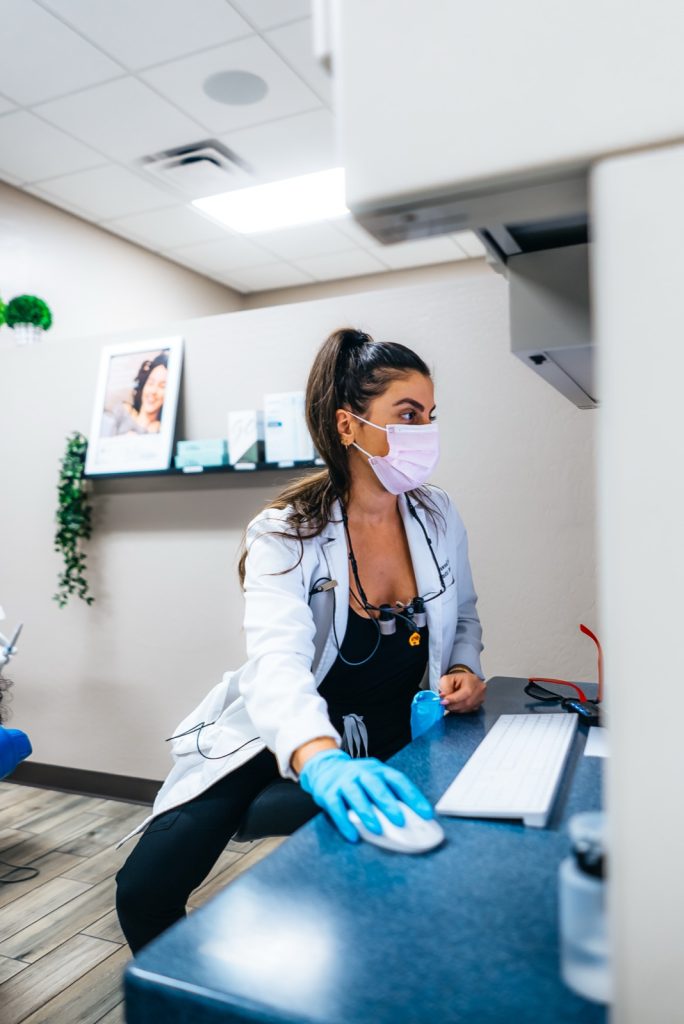
You’re three appointments into Invisalign treatment, your crowns have been prepped, or you’re six weeks post-implant placement waiting for bone to fuse, and orders come through. PCS in 45 days. It happens to military families near Camelback Ranch spring training every season, and we see it at Glisten Dental Glendale regularly enough that we’ve built a process around it.
Here’s exactly how dental records transfer works, what your rights are, and how we make sure nothing falls through the cracks whether you’re arriving here or leaving.
, –
Can You Transfer Dental Records From One Dentist to Another?
Yes, absolutely. Dental records are fully transferable between providers, and any licensed dentist is equipped to receive them and continue your care. What changes between offices is the format and the speed, which matters a lot when PCS timelines are tight.
When you call us to request your records, we send you a written release authorization to sign (HIPAA requires your written consent before we release anything to a third party). Once we have that signed form, we can send your records to your next provider by secure fax, encrypted email, or a direct patient portal link. We do not charge a transfer fee. Some states allow offices to charge a reasonable copying fee, but we don’t, getting your records to your next dentist is just part of finishing the job.
If you’re the one arriving in Glendale after a PCS and you need us to request records from your previous dentist, we handle that outreach for you. You sign one release form with us, we contact the prior office, and we chase them down if they’re slow.
, –
How Long Does a Dental Records Transfer Take?
Realistically, one to five business days in most cases. Here’s what drives that range:
A digital-forward office can send records the same afternoon you submit the release form, X-rays, periodontal charting, treatment notes, lab prescriptions, everything. An older office still running paper charts may need to physically scan documents, which adds a day or two. If there are lab-fabricated items in progress (a crown at the lab, an Invisalign case mid-refinement), those take a separate conversation with the lab directly and can run longer.
For military families, I’d recommend requesting records the same week you receive orders, not the week before you report. Give yourself the buffer. If you’re PCSing to Glendale and coming to us, call us first and we’ll coordinate the request from the sending office so you don’t have to manage it from a new city.
MILPERSMAN 6150-010 (the Navy’s personnel manual section governing medical and dental record handling) establishes specific requirements for how service member records are routed through military treatment facilities. If your care has been through a military dental clinic, your records may route through TRICARE or the electronic dental record system rather than directly from the clinic, ask your clinic coordinator specifically about that pathway before you PCS, because civilian offices need the same information in a compatible format.
, –
Who Legally Owns a Patient’s Dental Records?
This is one of the most common questions we hear, and the short answer is: the dental office owns the physical record (or the data file), but you have a federally protected right to access and direct the release of your own health information under HIPAA.
That distinction matters practically. It means a dentist cannot refuse to release your records or hold them hostage because you owe a balance or because you’re leaving the practice. Your right to those records is not contingent on account status. What a provider can do in some states is charge a reasonable copying fee, but they cannot deny access. If you ever run into a situation where a prior office is dragging its feet on releasing records before a PCS, cite your HIPAA right-of-access and put the request in writing. That triggers a 30-day response window under federal law, with a possible 30-day extension only if they notify you in writing.
At Glisten Dental Glendale, when a patient is PCSing out, I want their records in their hands or headed to their next dentist before they leave. A gap in care is a problem I can usually prevent if I have enough lead time.
, –
Continuing Mid-Treatment After a PCS: What Actually Transfers
Records are one piece. The other piece is continuity, making sure the dentist receiving you understands where you are in a treatment sequence, not just what your X-rays show.
When I send records for a patient who’s mid-treatment, I include a clinical summary note that explains exactly what’s been done, what’s pending, and what the next step is. If you’re mid-Invisalign, that means the treating aligner number, the attachments in place, and a note to the receiving doctor about refinement plans. If you’re in a healing phase after implant placement, it means the implant brand and dimensions, the placement date, and whether a bone graft was done simultaneously, that last part matters because it affects the integration timeline.
For military families moving to Glendale from another state, we receive those same notes from the prior office and use them. We don’t restart your treatment plan from scratch just because you’re new to us. We take the full clinical picture the prior dentist provided and pick up from there.
We’re located close to Westgate Entertainment District and State Farm Stadium, in a part of Glendale that sees a consistent wave of military family relocations tied to Luke Air Force Base nearby. We’ve worked with families at every stage, patients arriving mid-crown, mid-whitening, mid-aligner case. The intake process for PCS patients is something we’ve refined specifically because it’s a real and recurring situation here, not an edge case.
, –
How to Request Your Records Before You Move
The process is straightforward:
1. Call or email our office and request a records release form.
2. Specify whether you want records sent directly to your next provider, sent to you, or both.
3. Sign and return the release form, we accept scanned or photographed signatures.
4. We send the full file, including X-rays, periodontal charting, and any active treatment notes, within one to three business days.
If you’re arriving in Glendale and need us to pull records from your prior office, bring the name and contact information for that office to your first appointment. We’ll handle the request.
If your tooth is mid-treatment, your aligner case is mid-sequence, or you’re in a healing phase and aren’t sure what to tell the next dentist, call us. We’re reachable, and a five-minute phone conversation now prevents a significant amount of confusion later.