
Glendale · Dental Care
Why Your Child’s Permanent Teeth Are Coming in Yellow
"Why are my child's new permanent teeth coming in yellow?" is one of the most common parental concerns we hear from Glendale families, especially as the first permanent front teeth erupt around age 7.…
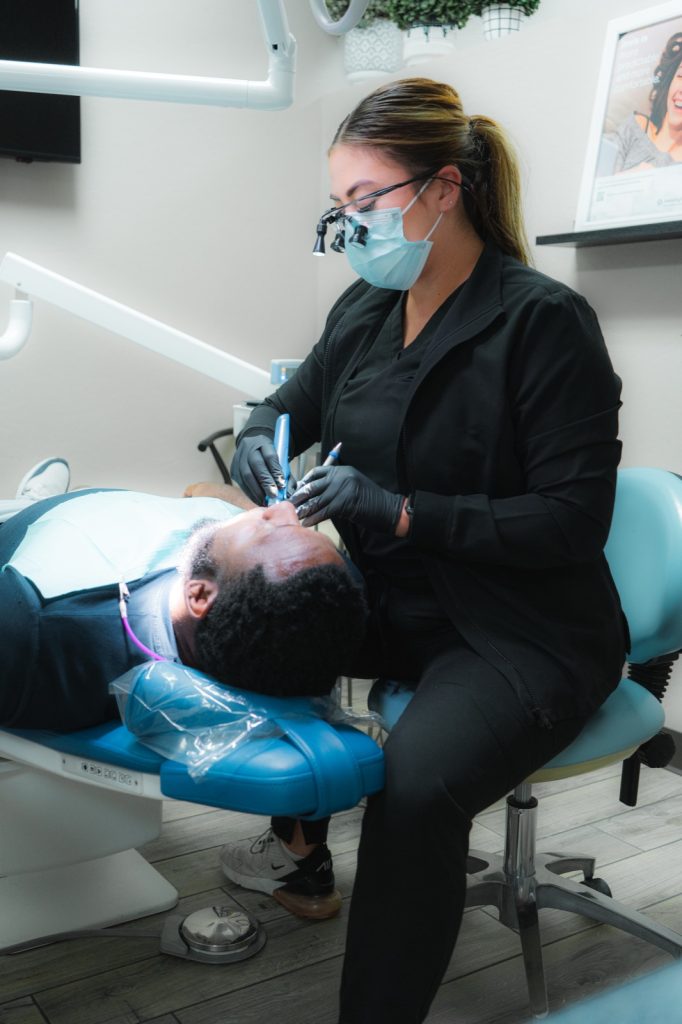
“Why are my child’s new permanent teeth coming in yellow?” is one of the most common parental concerns we hear from Glendale families, especially as the first permanent front teeth erupt around age 7. The answer: it’s usually completely normal, but there are a few specific patterns worth watching for. Here’s the full picture.
Why permanent teeth often look yellower than baby teeth
This catches most parents by surprise because the contrast is so clear, baby teeth are typically very white, and the new permanent tooth erupting next to them can look noticeably yellow or off-white. The explanation is actually about baby teeth, not permanent teeth:
Baby teeth are unusually white because their enamel is thinner (about 1mm vs 2.5mm on permanent teeth) and has slightly different crystalline structure. Less enamel thickness means the underlying dentin color shows through less. Baby teeth look bright white in part because their enamel is literally less dentin-colored than adult enamel.
Permanent teeth have:
- Thicker enamel (makes teeth more durable and decay-resistant)
- Dentin that shows through more visibly (gives teeth a naturally cream-to-yellow tint)
- Different crystalline structure affecting how light refracts
- Greater translucency in specific areas (particularly edges and biting surfaces)
The net effect: a normal, healthy permanent tooth is a slightly creamy off-white, while a baby tooth next to it looks brilliant white. The permanent tooth isn’t yellow because something is wrong, it’s yellow because it’s a mature adult tooth doing its job.
When the contrast will normalize
As a child loses more baby teeth and more permanent teeth erupt, the contrast disappears. By ages 11-13 when most baby teeth have fallen out, parents stop noticing the color because there’s nothing whiter to compare to. The permanent teeth look appropriate against each other.
Some parents describe a specific window, ages 7-9, when a child has two or three newly erupted permanent front teeth mixed with baby teeth still visible. During this window the color contrast is most jarring. It’s also shorter than it feels in the moment.
Patterns that are worth evaluating
While most yellowing is normal, some patterns warrant professional evaluation:
1. Single tooth significantly darker than its mates
One permanent tooth noticeably darker (gray, brown, or dark yellow) than adjacent teeth suggests pulp injury or death in that specific tooth. Usually caused by past trauma, a fall, sports injury, or accident that affected the tooth before it erupted or shortly after. The blood flow disruption damages the pulp, which either dies or heals abnormally, showing up as color change in the crown.
When to come in: noticeable single-tooth darkening that wasn’t there before. Root canal evaluation often appropriate; the tooth may need intervention even if it doesn’t hurt. See our emergency guide.
2. Multiple teeth with same color change pattern
Teeth that erupt with banding (colored horizontal stripes), patches, or specific geometric patterns suggest conditions that affected enamel development. Possible causes:
- Dental fluorosis. Excessive fluoride during tooth development. Usually shows as white mottling, sometimes with tan or brown patches. See our post Fluoride in Glendale Water.
- Enamel hypoplasia. Developmental defect where enamel didn’t form properly. Can be caused by high fever or illness during the tooth’s development, nutritional deficiency, premature birth, or specific genetic conditions. Appears as pitted, grooved, or discolored patches.
- Molar-incisor hypomineralization (MIH). Affects permanent first molars and sometimes incisors. Patches of soft, discolored enamel (typically yellow to brown) with increased decay susceptibility. Cause not fully understood; possibly related to illness during tooth development.
- Celiac disease or other systemic conditions. Some systemic illnesses during tooth development affect enamel. Dentists sometimes identify these before medical diagnosis.
Evaluation at our Glendale office includes history review (fever, illness, medications during tooth development), clinical exam, and sometimes referral to a pediatrician for possible underlying causes.
3. Teeth that come in and quickly get worse
If a permanent tooth erupts looking normal and then rapidly develops visible decay or discoloration, that’s active dental disease, not developmental coloring. Usually caused by inadequate home care, high sugar/carbohydrate diet, dry mouth, or specific bacterial challenges. Intervention: dental cleaning, fluoride varnish, possible sealants, dietary review, hygiene reinforcement.
4. Tetracycline staining
Children who received tetracycline antibiotics during tooth development (under age 8) can develop intrinsic gray, brown, or yellow staining. Tetracycline is largely avoided in pediatrics now specifically because of this effect, but occasional exposures (for specific medical conditions or if pregnancy medications affected fetal tooth development) still occur.
Tetracycline staining is characteristic, horizontal bands, often gray or dark yellow, extending through multiple teeth that were developing simultaneously. Doesn’t respond well to traditional whitening; severe cases may need veneers or crowns for cosmetic correction.
What’s NOT a cause of yellow permanent teeth
Several common parental concerns that don’t actually cause tooth yellowing:
- Drinking milk or water. Doesn’t cause yellowing.
- Not brushing quite enough. Produces plaque accumulation that looks yellow, but the tooth underneath is normal. Cleaning removes the plaque and the tooth looks normal again.
- Juice or fruit. Stains teeth on contact only if the contact is repeated and prolonged. Doesn’t change intrinsic tooth color in a child unless extremely heavy exposure.
- Normal aging. Teeth do yellow over decades of life, but this happens in adults, not 7-year-olds.
What to do when your child’s new teeth look yellow
Step 1: don’t panic. The large majority of cases are normal developmental color.
Step 2: observe the pattern. Is it one tooth or multiple? Darker or patchier than just yellow? Any functional symptoms (sensitivity, pain, changed chewing)?
Step 3: mention it at the next cleaning. We evaluate tooth color at every exam and will catch the patterns that warrant intervention. Most don’t.
Step 4: continue normal hygiene. Yellow-looking permanent teeth don’t need special care, they need the same twice-daily brushing with fluoride toothpaste, daily flossing, and routine dental visits as pearly-white baby teeth.
Step 5: if the child is self-conscious about the color contrast during ages 7-9, reassure them that it’s normal and temporary. Children who understand their teeth are healthy despite looking yellower than expected tend to maintain oral hygiene better than children who think something is wrong.
When whitening is appropriate for kids (hint: almost never)
Professional tooth whitening is generally not recommended for patients under 16. Reasons:
- Developing teeth have larger pulp chambers relative to tooth size; whitening chemicals can cause significantly more sensitivity in young patients
- Mixed dentition (some baby teeth, some permanent) makes uniform whitening impossible
- Teeth haven’t finished eruption and root development; long-term effects of whitening on still-developing teeth are less studied
- The color “problem” usually resolves naturally as all permanent teeth erupt
For specific concerns (severe intrinsic discoloration from a specific cause), we evaluate case-by-case. General cosmetic whitening for teenagers 16+ is reasonable; whitening for children under that is almost never the right approach.
Specific Glendale kids’ dental concerns
Two Glendale-specific factors worth considering:
Heavy juice consumption. Arizona climate drives kids toward high-sugar beverage intake (sports drinks, juice, flavored waters) at substantially higher rates than humid climates. Chronic high-sugar beverage consumption causes decay that can affect appearance of new permanent teeth within months of eruption.
Mouth breathing during sleep. Low-humidity climate and high allergen load lead to increased mouth breathing in Glendale children. Mouth breathers often show specific patterns of dry mouth-related decay that affect the permanent front teeth early.
Both are addressable with behavior modification and appropriate preventive care.
Scheduling a pediatric evaluation
Call 480-630-4446 for pediatric dental appointments at Glisten Dental Glendale. If a specific tooth or pattern of yellowing has you concerned, mention it at booking so we budget appropriate appointment time for the evaluation. For routine concerns, bring it up at the regular 6-month cleaning.
For the full pediatric dental picture, see our Children’s Dentistry Complete Guide.