
A PCS order can move you across the country mid-case, so the honest plan matters more here than the perfect one
Glendale runs on two clocks most dental offices don’t think about. One is the military clock near Luke AFB, where a PCS order can relocate a family before a multi-visit cosmetic case is finished. The other is the Sun City clock, where patients have decades of dental history and a low tolerance for being sold something. Veneers touch both, and both make the same thing matter most: an honest plan you can actually finish, not an ambitious one you can’t.
So this page leads where Dr. Revan Dawood, DMD, leads in the consult:
“I’d rather tell someone the truth upfront than let them spend money they didn’t need to spend. I’ve turned down patients before that have come to me with a gorgeous smile and wanted veneers.”
If you might transfer before a smile makeover is done, or you’ve simply seen enough dentistry over the years to recognize a sales pitch, this is the page that respects that. Dr. Parsa Owtad sees patients at the Glendale practice alongside Dr. Dawood’s standard.
See your new smile before you commit – try our free Smile Preview.
The cheaper, faster answer first, and the money follows you if orders don’t
For a military family, the smartest veneer plan is often the one with the fewest moving parts before a possible move. For a Sun City patient, it’s often the one that doesn’t touch healthy teeth that have lasted this long. Same honest first move in both cases:
“If their teeth are healthy and the issue is just color or minor shape, whitening and maybe some bonding can get them 80% of the way there at a fraction of the cost… I have even offered options for clear aligners and whitening first. And if they don’t like the results then I will do the porcelain veneers and put the money they invested in Invisalign and whitening, towards the veneers so they don’t feel like they lost anything. 90% of the time the patients were happy with my recommendations and didn’t want veneers after seeing their beautiful results.”
The credit part is the part that matters here. Whitening is one or two visits, finishable before a PCS. If you do it first and still want veneers later, what you spent is credited toward the veneer case, even if “later” is at the next duty station’s consult and you carry the plan with you. You are not penalized for taking the honest, finishable step first.
What a veneer actually is
A porcelain veneer is a thin shell of dental porcelain bonded to the front of a tooth. It changes color, shape, length, and how the tooth catches light. It does not fix decay, a crack, or a structurally failing tooth, that is separate work, and on an older mouth with a long history it’s often the more important conversation than the cosmetic one.
What makes a veneer worth the cost is the artistry, and Dr. Dawood’s standard on that is one paragraph, hers:
“Natural, always. I want people to look like a better version of themselves, not a different person. Teeth should match your skin tone, your face shape, the way you talk and smile. Bright is beautiful, unnatural bright white is a red flag that something was done. That’s not my style. I want to make the patient feel confident to smile, because a smile can make or break someone’s beauty. It’s a big responsibility for me, and I take it very seriously.”
That natural standard matters in Glendale because patients are not all asking for the same look. A retiree who wants a refreshed, believable smile is not asking for the same design as someone preparing for professional photos. A military spouse trying to finish care before a move may need a plan that gets the visible concern handled without overbuilding the case. The porcelain has to fit the person, not just the shade guide.
When veneers are genuinely the right call
She turns people away when veneers aren’t needed, and recommends them just as plainly when they are. The clearest case is staining that lives inside the tooth, which decades of coffee or old tetracycline can cause:
“Tetracycline staining is staining embedded into the pores of our teeth from inside out. This cannot be removed, but it can be covered. Veneers often end up being the more realistic path to the result they actually want. I’d rather have that conversation early.”
Veneers are also the right tool for worn or chipped front teeth, common after a lifetime of use, for gaps bonding can’t close cleanly, and for the patient who’s already done the cheaper steps and still wants more. Honest both ways: not before they’re needed, and not withheld when they are.
They may also make sense when old bonding keeps staining, when front teeth have been shortened by wear, when a smile looks narrow because the visible teeth do not fill the frame of the face, or when several small defects would look mismatched if patched one by one. The diagnosis still comes first. Porcelain is a tool, not a personality.
If you are deciding between a small repair and a larger cosmetic case, read veneers vs bonding in Glendale before you make the call.
How many veneers, and why the number is smaller than people assume
The count follows your smile, not a brochure package.
“Usually 8 to 10 for a full smile makeover, what shows when you smile naturally. Some people only start with 6 and then add one or two on each side at a later date when they are ready for more. If a patient wants to do the upper and the lower teeth, we offer 18 or 20. These results are breathtaking gorgeous.”
The start-with-six, add-later path fits a relocating family well, a smaller first phase, expandable on your timeline. A full upper makeover is eight to ten teeth, only what shows when you smile naturally. Eighteen to twenty is upper and lower, a real decision and never a default.
The hard part is matching. If only a few teeth are treated, the neighboring teeth need to have a color and shape that can blend with the porcelain. Whitening first can sometimes make a smaller plan look better. In other cases, treating too few teeth makes the result look patched, especially when the natural teeth beside them are worn, darker, or shaped very differently.
Porcelain, composite, and why the material conversation comes after the diagnosis
Porcelain is usually the better material for a full smile makeover because it holds color, resists stain, and gives more control over shape and light. Composite can be the right choice for smaller repairs, especially a small chip or edge correction, but it usually stains sooner and needs more maintenance.
The material choice should not be made from a generic chart. It should follow the problem. If one tooth needs a small addition, composite may be enough. If several visible teeth need a new color, length, and proportion together, porcelain is usually the more stable cosmetic path.
For a deeper material comparison, read porcelain vs composite veneers in Glendale.
The prep step, and what “permanent” actually means
The question under every consult is whether veneers wreck the tooth. Straight answer:
“We remove as little enamel as possible. We’re talking less than a millimeter in most cases. There has been times I didn’t even have to get the patient numb during the shaving process. That is how little the drill should be touching the tooth.”
Less than a millimeter, sometimes no anesthetic. And the part she insists on saying out loud before anything starts:
“Yes, veneers are a permanent commitment because some enamel is altered. But they are interchangeable. Meaning if a patient loves a style in 2015, but by 2030 the style choice changes and the patient wasn’t a different shape or color we can make that change. I tell every patient that plainly before we start. But with proper care, they last 15-20 years. It’s not something to take lightly, which is why I won’t rush anyone into it.”
Permanent commitment, changeable look, both true. For a patient who measures decisions in decades, the 15-to-20-year horizon and the say-it-plainly approach are the point.
We don’t rush the design, and we plan for the move
Because the commitment is permanent, the design isn’t rushed. And because Glendale families relocate, the plan is built to be carried.
“I don’t rush the smile you’re going to wear for the rest of your life. We can sun mock up looks as many times as a patient wants before they feel sure about what they want. I am very patient with the patients because we both have to live with the results for the rest of our lives. So I want to be sure there is a beautiful comfortable outcome.”
If a PCS interrupts a case, you leave with your full records, your design, and the credit toward what’s done, not a half-finished mouth and a shrug. Mock it up as many times as you need. Nobody here is paid to make you commit before you’re sure.
The free Smile Preview belongs here because it gives you a first look before the dental design work begins. It is not a diagnosis, and it is not a final treatment plan. It is a low-pressure way to see a possible direction, then talk with Dr. Dawood about what is actually possible in your mouth.
See your new smile before you commit – try our free Smile Preview.
The warranty, stated plainly
“If a veneer chips within the first 2 years and it’s not from trauma or grinding, we take care of it. We stand behind our work. We go over that in detail before anything is placed. Without a night guard, nothing is warranted, that is how important it is to have a night guard.”
Chip in the first two years, not from trauma or grinding: covered. No night guard: nothing is warranted. She leads with how seriously she means the night guard, because grinding will destroy porcelain, and a clear written understanding of the warranty travels with you if you transfer.
Cost, the honest version, and a word on military and retiree coverage
No flat veneer price is posted here, on purpose. A website number is not an estimate, and Dr. Dawood doesn’t do cost that way:
“I always walk through it line by line with them. I never just hand someone a number and walk away. We pull up their insurance benefits together, I show them exactly what’s covered, what’s not, and what their out-of-pocket looks like before we ever schedule anything. No surprises. If the treatment cost feels out of reach, we figure out a way together. We have financing options also.”
Honest note for Glendale specifically: porcelain veneers are an elective cosmetic procedure, so military and retiree dental plans generally do not cover them, we tell you that plainly before any number, the same way we’d check a dependent’s benefits for medically necessary work. What we won’t do is imply a plan covers a cosmetic case it doesn’t. You get a written estimate, line by line, before anything is scheduled. Financing is available. The cheaper-first conversation happens before the estimate. If you do whitening or aligners first, that spend is credited toward veneers if you still want them. The new-patient exam is currently $89; the veneer consult and trial mockup are quoted directly, with the number explained, never handed over and walked away from.
The canonical Glendale case-price frame
For Glisten Dental Glendale, the porcelain veneer planning range is $7,000-$15,000 for an 8-veneer smile makeover. That is a case price for the visible smile. It is not a per-tooth shortcut, and it should not be divided into a number that pretends every tooth, bite, material choice, and design step is the same.
The estimate changes with the number of teeth involved, whether the plan is upper only or upper and lower, the style you choose, the current condition of the teeth, and the material used. Old bonding, worn edges, internal staining, decay, crowding, gum health, and grinding can all change the plan. So can the decision to start with whitening, bonding, or clear aligners before porcelain.
Veneers are cosmetic and are typically not covered by dental insurance. The office can review benefits with you, but the honest expectation is that the veneer portion is out of pocket. Financing is available through Cherry, with options reviewed from the actual treatment plan rather than a guessed monthly number.
If cost is your main question, read the dedicated guide to porcelain veneers cost in Glendale.
If an older veneer chips, loosens, or stops matching
Veneers can need attention years later. A veneer can chip, debond, show staining at the margin, or simply no longer match the style a patient wants. The right next step depends on what happened to the porcelain, the bond, the bite, and the tooth underneath.
Glisten can evaluate veneers placed elsewhere as well as veneers placed in-house. Sometimes a veneer can be repaired or rebonded. Sometimes replacement is the cleaner answer. If that is the issue in front of you, read chipped, loose, or failing veneer repair and replacement in Glendale.
Talk to the Glendale practice
The most useful first step is the consult where Dr. Dawood tells you honestly whether you need veneers at all, and builds a plan you can finish, even if orders move you. Often the honest answer is the cheaper one. Either way, you’ll know the truth before you spend anything.
Glisten Dental Glendale, 4901 W Bell Rd, Ste 140, Glendale, AZ 85308 Call 480-630-4446 or book a visit through our contact page.
Call 480-630-4446 to book a consultation, or use the /contact/ page.
Related cosmetic options: professional teeth whitening in Glendale and dental crowns.
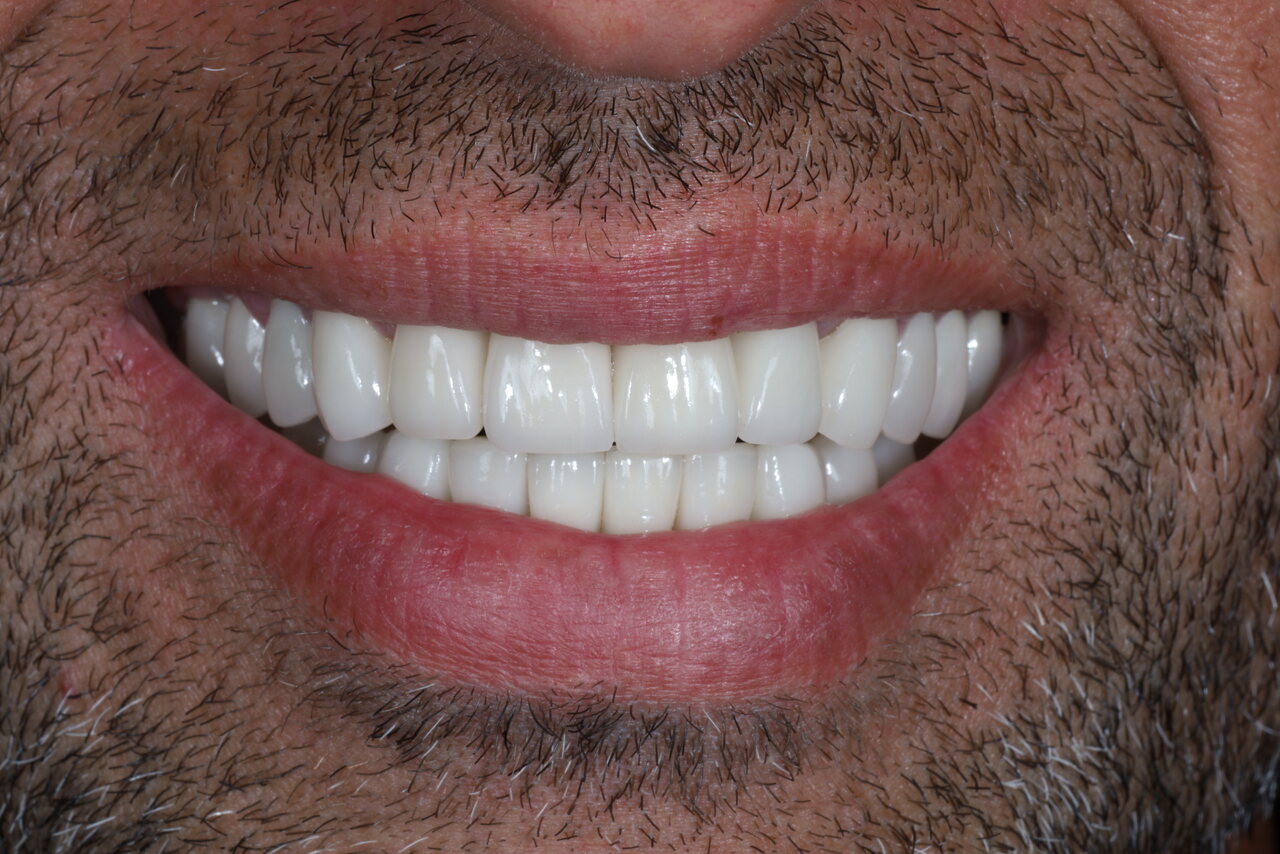
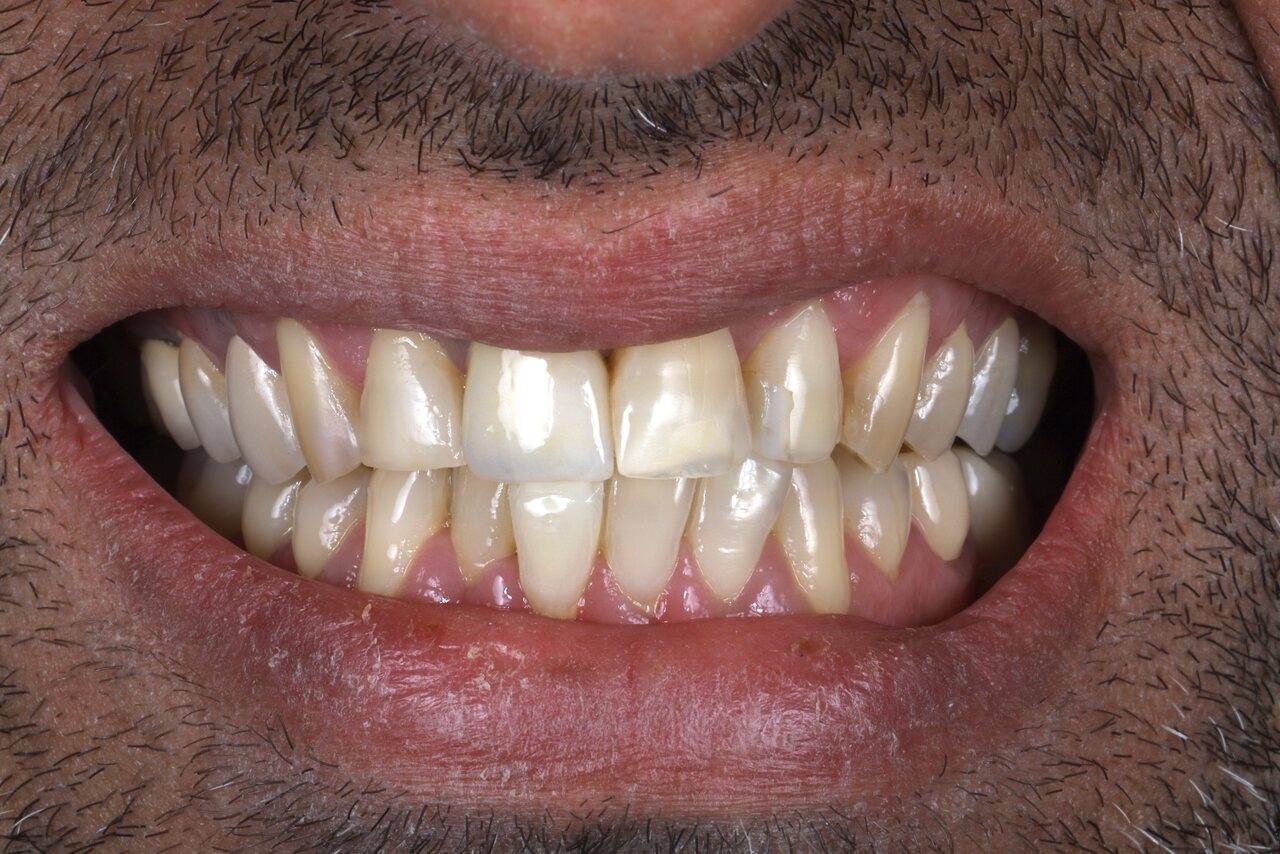
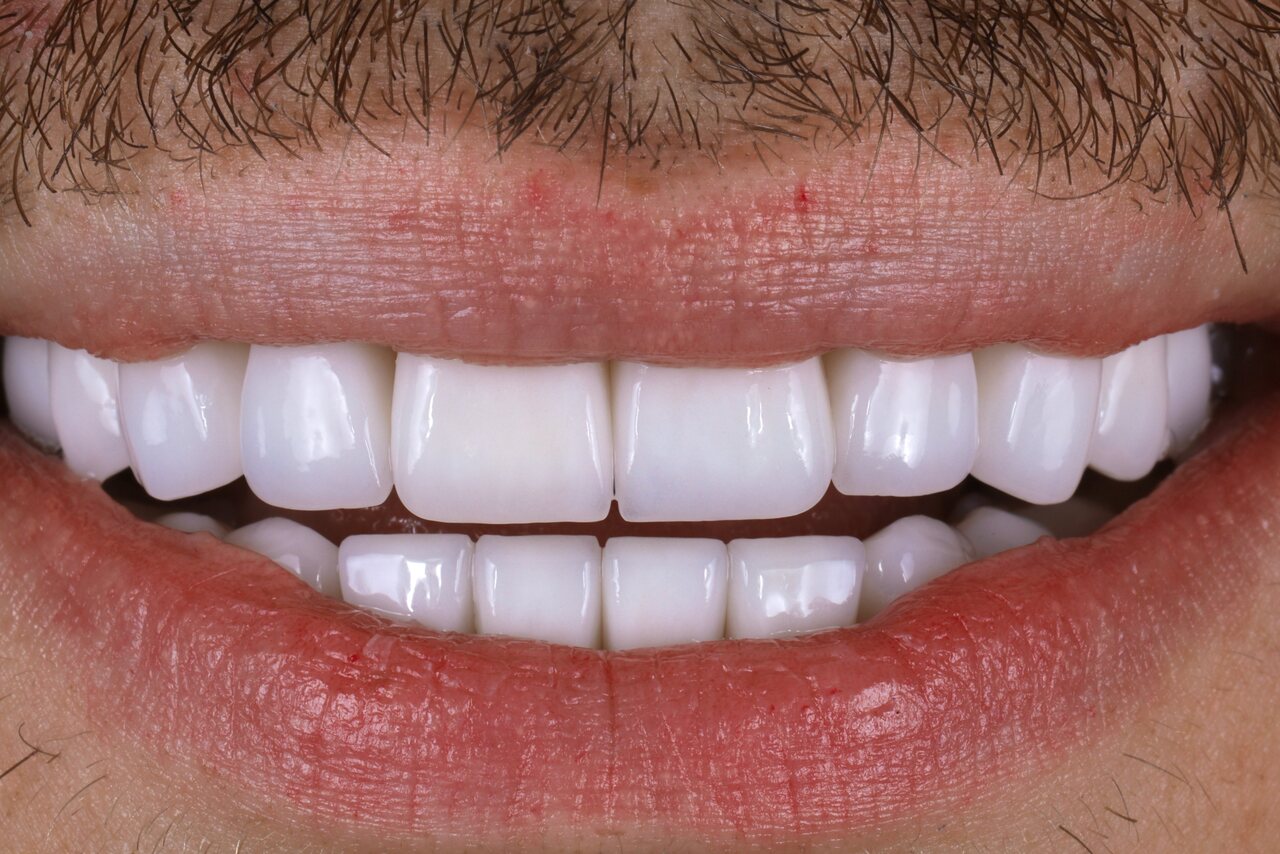
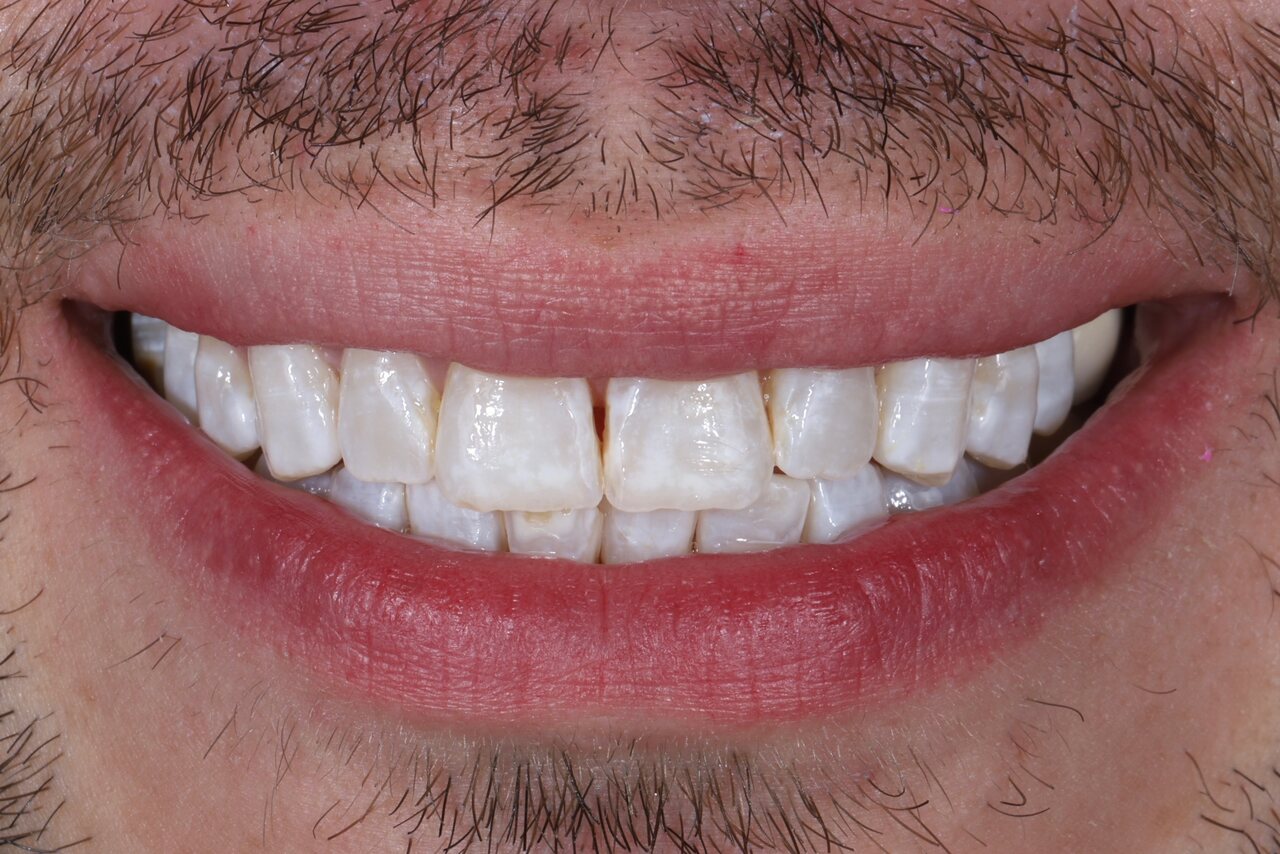
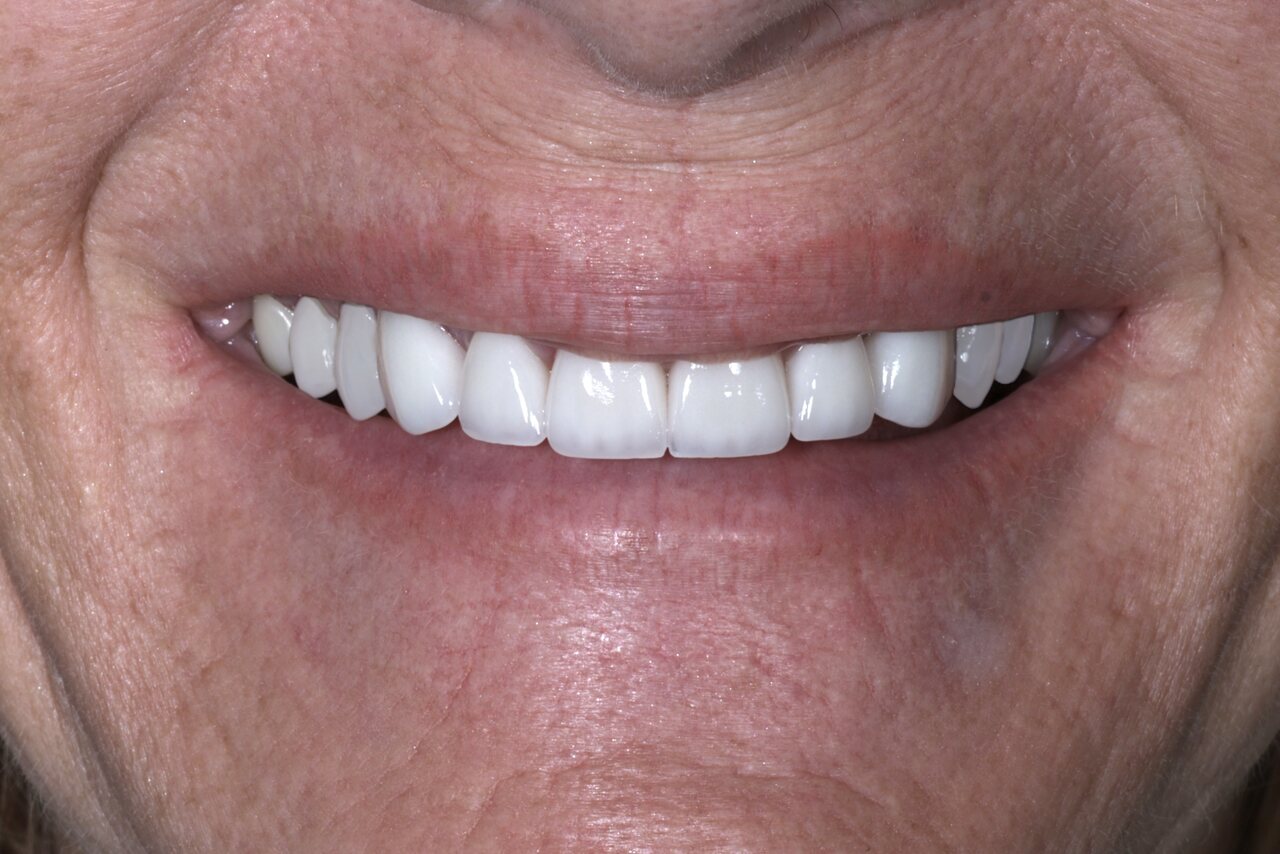
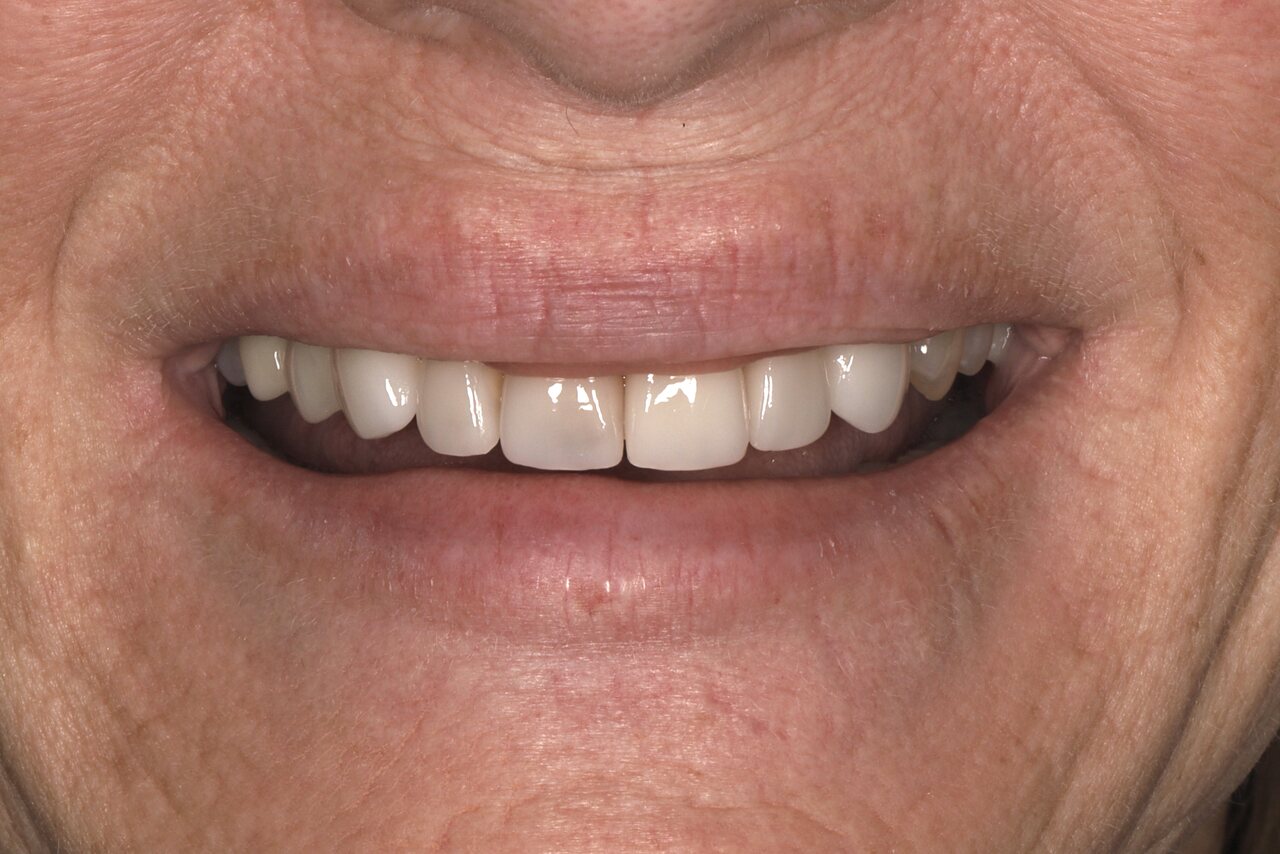
Before & After Transformations
Drag the gold handle to compare. All three cases treated here at Glisten Dental Glendale.
 Before
After
Before
After
 Before
After
Before
After
 Before
After
Before
After
Why patients choose Glisten
All your dental work, in one place
Our small team of multi-specialty dentists handles implants, restorative, cosmetic, and orthodontics, so you're not being passed between three different offices to finish your work.
We advocate with your insurance
We file claims directly and follow up with your insurance company on your behalf to help cover what they should, instead of leaving the paperwork to you.
Honest, no-pressure plans
We recommend only what's actually necessary. Your treatment plan is written so you can take it anywhere for a second opinion, no hard sell, no over-diagnosis.